Mining Engineering: Maximizing Resource Efficiency and Safety
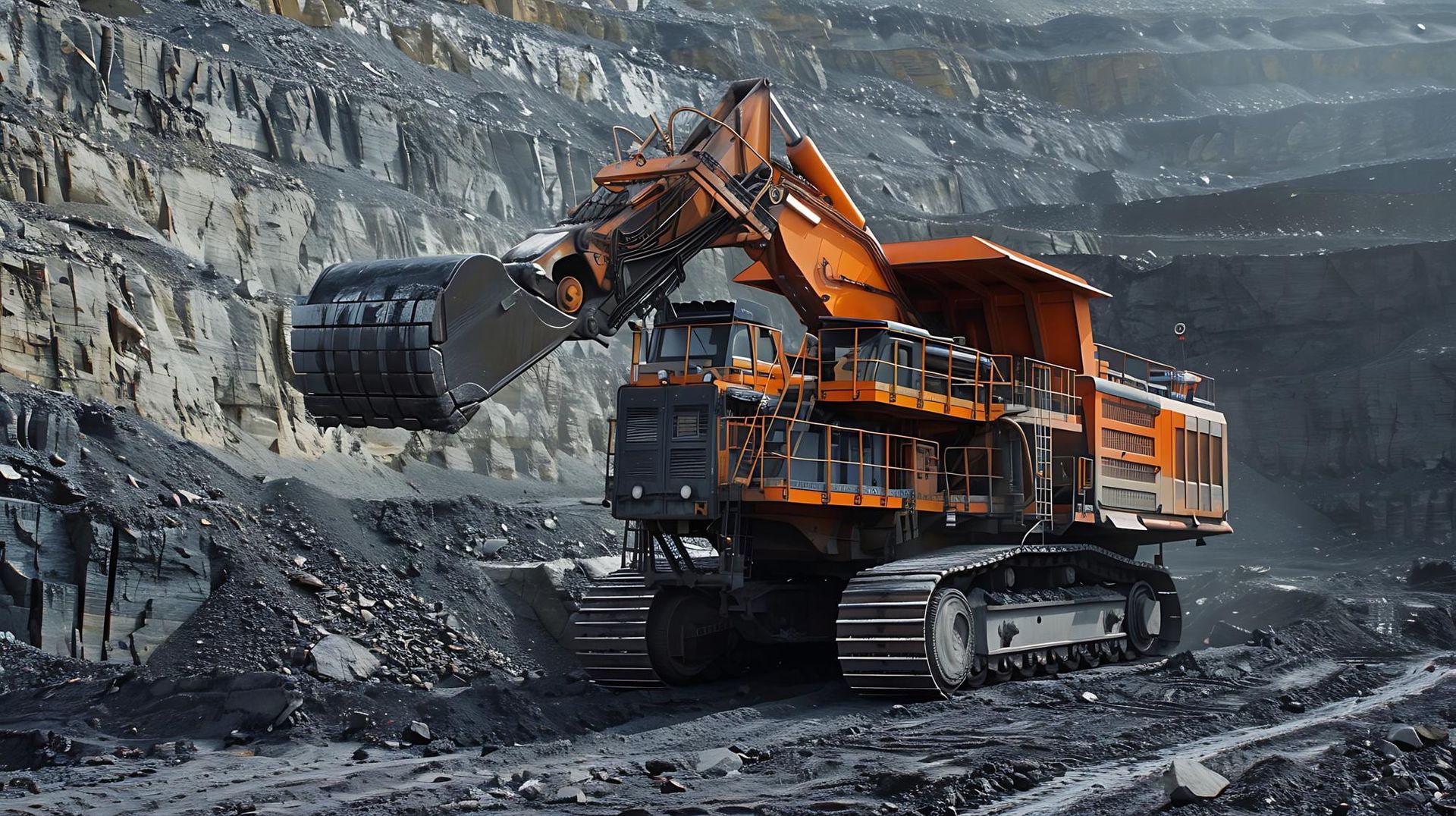
Mining engineering is a specialized field that focuses on the extraction of minerals and resources from the earth while ensuring safety, efficiency, and environmental sustainability. Our Mining Engineering Service offers comprehensive solutions tailored to meet the unique challenges of the mining industry. From site evaluation to resource management, we provide the expertise necessary to optimize your mining operations.
What is Mining Engineering?
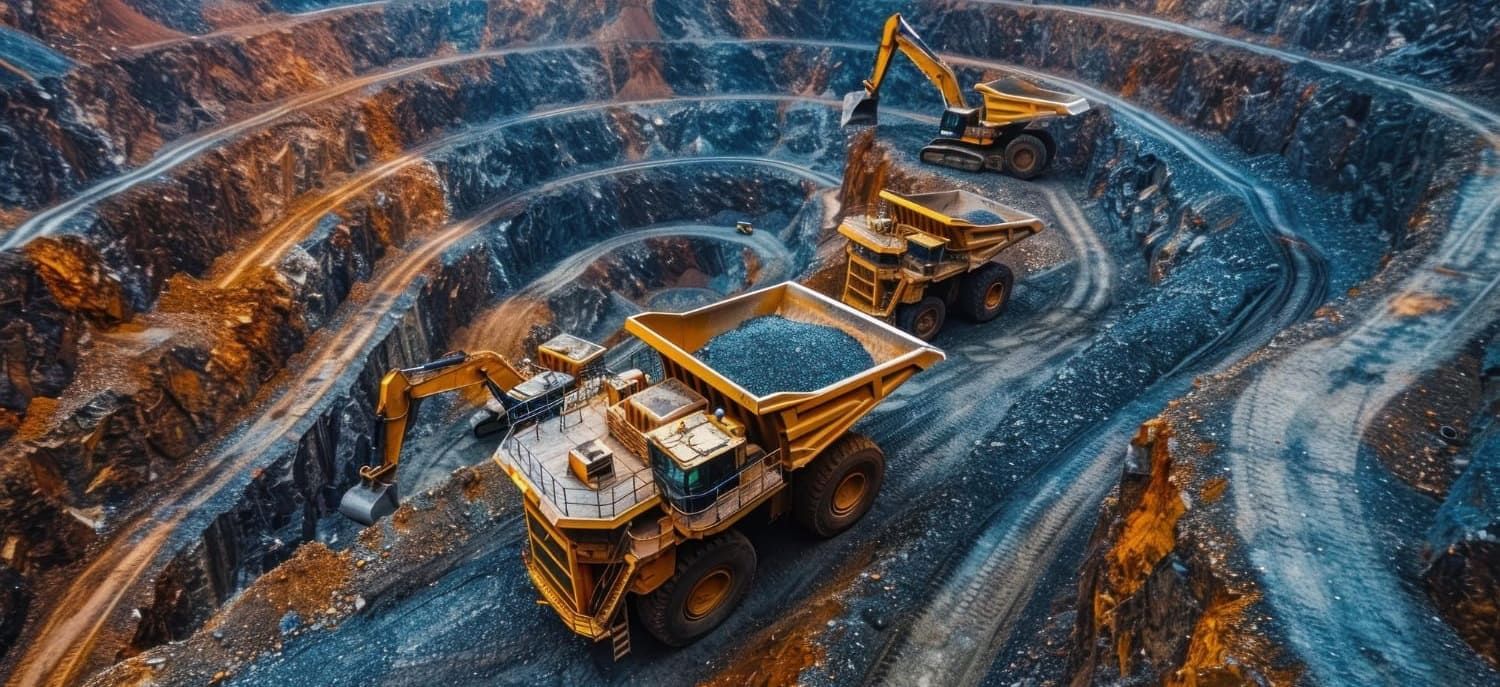
Mining engineering involves the planning, design, and operation of mines to extract valuable resources such as minerals, metals, and fossil fuels. This discipline encompasses various aspects, including geological surveys, mine design, production planning, and environmental management. Mining engineers work to ensure that operations are safe, efficient, and environmentally responsible.
Benefits of Our Mining Engineering Service
Engaging in our mining engineering service provides numerous advantages:
- Optimized Resource Extraction: Our team utilizes advanced techniques and technologies to maximize resource recovery while minimizing waste.
- Safety Assurance: We prioritize safety by implementing best practices and compliance with industry regulations, reducing the risk of accidents and injuries.
- Cost Efficiency: Our engineering solutions are designed to enhance operational efficiency, reducing costs associated with resource extraction and processing.
- Environmental Stewardship: We focus on sustainable practices that minimize environmental impact and promote responsible resource management.
- Comprehensive Support: From initial site assessments to ongoing operational support, we provide end-to-end services tailored to your specific needs.
Mining Engineering Services: Fueling Economic Growth and National Security
Minerals, coal, and aggregates are vital resources that fuel our economy and support national security. At MEADE-CIVIL Engineering, PLLC, we offer comprehensive mining engineering services across various sectors, ensuring that projects are executed efficiently and sustainably. Our expertise spans multiple areas of mining, providing clients with the necessary tools and insights to thrive in the industry.
Comprehensive Mining Engineering Solutions
Our mining engineering services encompass a wide range of resources, including:
Expert Analysis of Coal Deposits in Kentucky and Virginia
- Resource Assessment: Detailed evaluations of coal deposits to determine their viability for extraction.
- Environmental Compliance: Ensuring that all operations adhere to environmental regulations.
Quality Control for Aggregates and Limestone
- Quality Control: Testing and analysis of aggregates to ensure they meet industry standards.
- Sustainable Practices: Implementing eco-friendly methods for extraction and processing.
Specialized Services for Mineral Sands
- Exploration Services: Conducting thorough geological surveys to identify and assess mineral sands.
- Processing Solutions: Developing efficient methods for extracting and processing mineral sands.
In-Depth Assessments of Metallic Mineral Deposits
- Feasibility Studies: Comprehensive studies to evaluate the potential for mining metallic minerals.
- Resource Management: Strategies for sustainable extraction and utilization of metallic resources.
Our Key Mining Engineering Services
- Comprehensive Resource Assessments
- Detailed Feasibility Studies for Mining Projects
- Advanced Mining Modeling Software Utilization
- Expert Environmental Planning and Permitting
- Precision Blasting Services for Efficient Mining
- Strategic Exploration Management and Data Analysis
- Cutting-Edge Surface Mining Design and Equipment Selection
- Innovative Underground Mining Solutions and Planning
- Optimized Process Design for Mineral Processing
- Strict Regulatory Compliance and Permitting
Comprehensive Permitting Services for Mining Operations
The mining industry enjoys robust support from the current administration, providing significant opportunities for obtaining mining permits. MEADE-CIVIL Engineering, PLLC offers a suite of environmental planning services to prepare clients for permitting, including:
- Zoning and Public Presentation: Assisting clients in navigating zoning laws and presenting projects to the public.
- Post Mine Land Use Planning: Developing strategies for land use after mining operations are completed.
- State Mine Permit Applications: Preparing and submitting necessary applications for state permits.
- Ground Water Sampling, Analysis & Modeling: Conducting thorough assessments of groundwater conditions.
- NPDES Discharge and Non-Discharge Permits: Ensuring compliance with National Pollutant Discharge Elimination System regulations.
- Air Permits and Emissions Inventories: Managing air quality compliance and emissions reporting.
- Aquifer Testing and Dewatering Plans: Evaluating aquifer conditions and developing effective dewatering strategies.
Tailored Exploration Services for Resource Assessment
MEADE-CIVIL Engineering, PLLC manages drilling programs tailored to our clients' criteria. Our exploration services include:
- Core Hole Logging: Detailed logging of core samples to assess geological conditions.
- Data Collection Coordination: Efficient management of data collection processes.
- Resource Estimation: Incorporating drill hole data into block model databases for accurate resource and reserves estimation.
We provide turn-key drilling, exploration, and resource studies to ensure comprehensive project support.
Strategic Feasibility Studies for Informed Decision-Making
Our pre-feasibility or scoping studies leverage extensive mining databases to provide efficient solutions. We develop a systematic approach for practical decisions on acquisitions, including:
- Geologic Models: Creating detailed models of the resource base.
- Conceptual Mining Costs: Preparing estimates for mining operations and associated costs.
Advanced Design & Modeling Software for Enhanced Predictability
We utilize numerical modeling techniques to define construction conditions of the mine based on data collected during exploration and feasibility processes. Our modeling services include:
- Carlson Mining Software
- LAMODEL: Stress and displacement calculations.
- ARMPS: Analysis of retreat mining pillar stability.
- ARBS: Analysis of roof bolt systems.
- CMRR: Coal mine roof rating.
- AMSS: Analysis of multiple seam stability.
These tools enhance predictability regarding geological conditions, excavation limitations, backfill requirements, and ground support safety.
Comprehensive Blasting Services for Efficient Operations
MEADE-CIVIL Engineering, PLLC provides comprehensive blasting services, including:
- Blast Designs: Custom designs tailored to specific project needs.
- Blast Pit Surveys: Utilizing GPS and robotic surveys for accurate measurements.
- Electronic Initiation Systems: Implementing advanced initiation systems for safety and efficiency.
- Seismograph Monitoring: Monitoring vibrations and impacts from blasting activities.
- Record Keeping and Reporting: Maintaining detailed records of blasting operations for compliance and analysis.
Surface and Underground Mining Services for Diverse Needs
Our mining engineering services extend to both surface and underground operations, including:
Innovative Surface Mining Solutions
- Open Pit Design: Creating efficient designs for open-pit mining operations.
- 3D and 2D Topographic Modeling: Utilizing advanced modeling techniques for accurate site representation.
- Long-Term Mine Planning: Developing strategies for sustainable and efficient mining operations.
Comprehensive Underground Mining Services
- Mine Planning & Production Scheduling: Optimizing production schedules for underground operations.
- Ventilation Plans: Designing effective ventilation systems to ensure miner safety.
- Roof Control Plans: Implementing strategies to manage roof stability and safety.
- Equipment Selection: Assisting clients in selecting the right equipment for their mining operations.
Processing and Efficiency Analysis for Optimal Performance
Whether you require minimal crushing or full comminution, MEADE-CIVIL Engineering, PLLC utilizes the LIMN Flowsheet Processor to emulate plant performance in the aggregate, coal, and mineral industries. Our processing services include:
- Plant Efficiency Analysis: Evaluating plant performance to identify areas for improvement.
- Product Modifications: Making recommendations for product enhancements.
- Performance Assessments: Conducting thorough assessments to ensure optimal operation.
- Individual Circuit Analysis: Analyzing specific circuits for efficiency and effectiveness.
By providing comprehensive mining engineering services, MEADE-CIVIL Engineering, PLLC is committed to supporting the mining industry with innovative solutions, ensuring safety, compliance, and sustainability. Contact us today to learn more about how we can assist you in your mining projects.
Why Choose Us for Mining Engineering Services?
When selecting a mining engineering service, choosing a provider with proven expertise and comprehensive solutions is crucial. At MEADE-CIVIL Engineering, PLLC, we stand out due to our extensive experience and commitment to excellence in the mining sector. Our services are tailored to meet the unique needs of each project, ensuring efficiency, safety, and regulatory compliance. Here’s why we are the ideal choice for your mining engineering needs:
- Expertise Across Various Mining Resources: We offer specialized services in coal deposits, aggregates, mineral sands, and metallic mineral deposits, ensuring comprehensive support for diverse mining projects.
- Advanced Environmental Planning and Permitting: Our team excels in navigating complex environmental regulations, providing essential services like zoning, permit applications, groundwater analysis, and air quality assessments.
- Cutting-Edge Exploration and Data Management: We utilize state-of-the-art techniques for core hole logging, resource estimation, and data management, ensuring accurate and reliable exploration results.
- Thorough Feasibility Studies: Our detailed feasibility studies offer valuable insights into resource potential, cost estimation, and project viability, supporting informed decision-making.
- Innovative Design and Modeling: We employ advanced software and modeling techniques to optimize mining operations, enhance safety, and improve efficiency.
- Comprehensive Blasting and Surface Mining Solutions: Our services include blast design, seismograph monitoring, and surface mining planning, addressing all aspects of mining operations.
- Reliable Underground Mining Services: From mine planning and ventilation to equipment selection and process design, we provide end-to-end solutions for underground mining projects.
- Efficient Mineral Processing and Plant Design: We focus on optimizing plant performance, conducting efficiency analyses, and improving processing techniques to ensure high-quality output and cost-effectiveness.
Choose MEADE-CIVIL Engineering, PLLC for your mining engineering needs, and benefit from our expertise, innovative solutions, and commitment to delivering exceptional results. Contact us today at (704) 655-7290 to discuss your project and discover how we can support your mining endeavors.
Engineering License in North Carolina, South Carolina, Kentucky, Tennessee, and Alabama
FAQ About Our Mining Engineering Services
Mining Excellence: Precision Engineering for Sustainable Resource Extraction
What is mining engineering?
Mining engineering involves the application of engineering principles to the extraction of minerals from the earth. It encompasses planning, design, operation, and management of mining operations.
Why is mining engineering important?
Mining engineering is crucial for efficiently extracting valuable resources while ensuring safety, environmental protection, and compliance with regulations.
What types of minerals and resources do you handle?
We handle a wide range of resources, including coal, aggregates, mineral sands, and metallic mineral deposits.
What are the benefits of choosing a specialized mining engineering firm?
Specialized firms offer expertise in various mining methods, advanced technologies, and regulatory compliance, ensuring optimal project outcomes.
How do you ensure environmental compliance in mining projects?
We conduct thorough environmental planning, including permit applications, groundwater analysis, and air quality assessments, to ensure compliance with environmental regulations.
How do you ensure the safety of mining operations?
We prioritize safety through rigorous design and planning, effective monitoring, and adherence to industry standards and regulations.
